






Posted by: Clear Advantage in PRK on October 15, 2026
You might have expected to hear “LASIK” at your vision correction evaluation, but instead you were told “PRK.” Maybe your corneas are a bit thin, or your eyes tend to be dry. Then someone tells you about a tough PRK recovery, and now you can’t stop thinking about pain.
It’s normal to worry, and you deserve a clear answer. PRK (photorefractive keratectomy) uses a laser to reshape your cornea without making a flap. The procedure itself is almost painless. Most patients feel some discomfort for a few days afterward, but it is usually manageable and short-lived.
Understanding what each stage feels like can ease your worries. Here’s what you can expect from the moment you enter the laser suite.
Why PRK Feels Different From LASIK
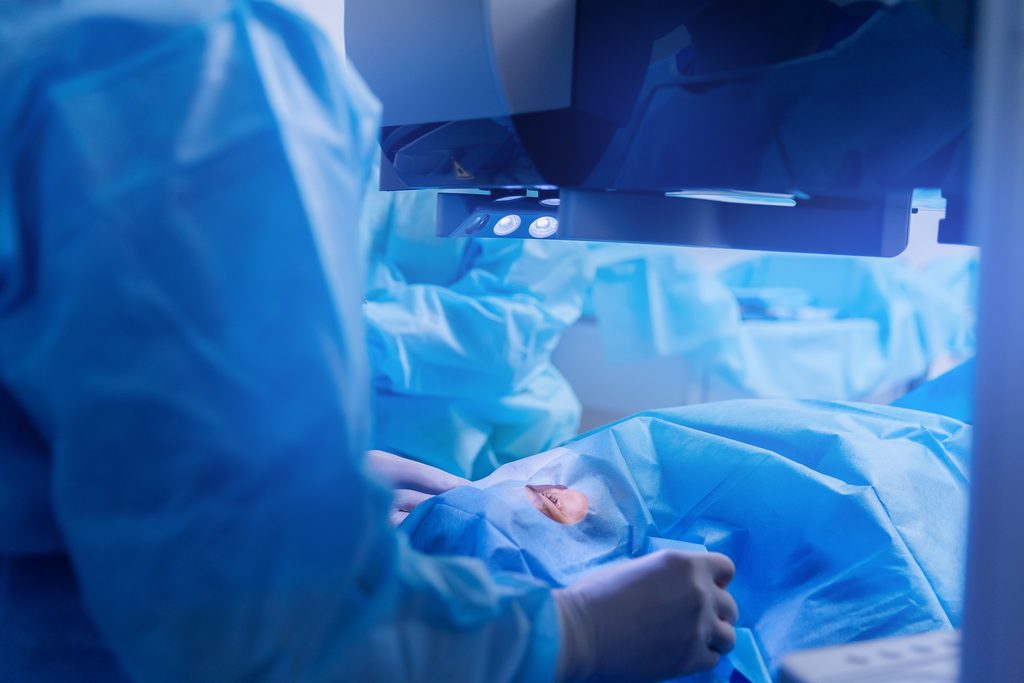
Your cornea is covered by a thin layer of cells called the epithelium. During LASIK, the surgeon creates a small flap in the cornea, reshapes the tissue beneath it, and lays the flap back down. With PRK, your surgeon gently removes the epithelium and treats the cornea’s surface directly.
This difference explains most of what you’ll feel with PRK. Since there’s no flap, your eye’s surface needs a few days to grow a new layer of cells. While these cells heal, nerve endings are more exposed, which can cause discomfort after surgery.
The flap-free method is why PRK works for people who aren’t good LASIK candidates. Because the surgeon doesn’t cut the corneal surface, PRK is often recommended for people with thin corneas or moderate dry eye. The results are similar to LASIK, but recovery takes a little longer.
What You’ll Feel During the Procedure
Before the procedure, strong anesthetic drops numb your eyes, just like those used in cataract surgery. Once they take effect, you won’t feel the epithelium being removed or the laser reshaping your cornea. A small device keeps your eyelids open, so you don’t need to worry about blinking.
You’ll be asked to focus on a bright light, and most patients only feel light pressure around the eye. We cover one eye while we treat the other. The whole procedure usually takes about ten minutes or less per eye.
After the procedure, a soft bandage contact lens is placed on each eye to protect them as they heal. Then you can go home and rest.
The First 72 Hours: Where Discomfort Peaks
As the numbing wears off, usually after a few hours, you’ll probably notice some sensations. Some people feel a gritty feeling, like sand in the eye. Others have a mild ache, burning, or lots of tearing. Bright light can feel harsh, and your vision will be blurry.
These sensations tend to peak somewhere between the first and third day. This timing matches the healing of the top layer of your eye. This layer heals quickly, and as new cells grow, the discomfort fades. By day four or five, most people feel much better, and the bandage contact lens is usually removed at a follow-up visit within four to six days.
Fluctuating vision is normal and does not mean something went wrong. Discomfort that steadily improves is expected. If pain suddenly worsens, or you develop new redness or discharge, call your PRK surgeon right away.
Could You Be a Candidate for PRK?
How to Stay Comfortable While You Heal from PRK

Planning ahead can make the first few days much easier. Clear Advantage gives you sleeping goggles and sunglasses, and your surgeon will prescribe drops to keep your eyes clean, moist, and safe from infection. Many people schedule surgery on a Thursday so they can rest over the weekend. Most return to work and normal activities by Monday.
Simple habits help you stay comfortable at home.
- Use every prescribed drop on schedule, even when your eyes feel fine
- Keep preservative-free artificial tears nearby for extra relief
- Wear sunglasses outdoors and dim bright screens indoors
- Sleep in the protective goggles so you don’t rub your eyes overnight
- Rest with your eyes closed and choose podcasts or music over reading
- Arrange rides, since you should not drive until your surgeon clears you
Rest helps you heal faster. Keeping your eyes closed reduces light sensitivity and gives the new layer of cells a calm place to grow. If your PRK surgeon says it’s okay, a cool compress over your closed eyelids can help soothe the area, as long as nothing presses on your eyes.
When Vision Settles and Life Returns to Normal

After the first week, most discomfort fades, and you’ll start focusing on your vision. Your eyesight sharpens as the new corneal surface smooths out. Many people can drive within a week or two, and fine details keep improving for several weeks or even a few months.
You can return to physical activity in stages. Light walking is okay early on, but you’ll need to wait longer for swimming, hot tubs, and contact sports. If staying active matters to you, your surgeon can give you a clear timeline for when you can exercise after PRK, depending on how your eyes heal.
Your treatment plan starts long before recovery. Clear Advantage uses the same advanced Technolas 217z excimer laser for PRK as for LASIK, and every PRK patient undergoes the same detailed pre-operative evaluation. That consistency sets the standard for PRK care in Portsmouth.
Clear Vision Is Within Reach
PRK asks for a few uncomfortable days in exchange for years without glasses or contacts. Most patients say that trade was easy in hindsight, and weighing it honestly is part of deciding whether PRK is worth the cost for you. The procedure itself is quick and nearly painless, and the soreness that follows fades as your eyes heal.
Ready to see if PRK is the right choice for you? Schedule an appointment at Clear Advantage Vision Correction Center in Portsmouth, NH, today.