




Posted by: Clear Advantage in PRK on June 9, 2026
PRK is one of the most effective and proven procedures for laser vision correction, and for patients who aren’t candidates for LASIK, it’s often the best path to clear vision. But with a slightly longer recovery period than LASIK, patients understandably have questions about day-to-day restrictions, including exercise.
When can you hit the gym? When is it safe to swim? When can you get back to your favorite sports? Keep reading for a practical breakdown of the exercise timeline after PRK.
Why PRK Recovery Requires Extra Care

During PRK, the outermost layer of the cornea, the epithelium, is gently removed before an excimer laser reshapes the underlying corneal tissue. At Clear Advantage Vision Correction Center, the same advanced LASIK technology is used for PRK, delivering precise, consistent results.
After the excimer laser treatment is complete, a soft bandage contact lens is placed over the eye for several days while the epithelium regenerates. Because that outer surface is removed during the procedure, the recovery window is longer than it would be after LASIK, which involves making a small flap in the epithelium rather than lifting it away.
Physical activity introduces specific risks during this period: sweat can sting and irritate the eye, elevated heart rate and blood pressure can put added stress on healing tissue, and any contact or impact to the eye before it has healed can cause serious complications. This is why your PRK surgeon will provide clear guidance on when and how to resume exercise.
The First Week: Rest Comes First
For the first few days after PRK, physical activity should be avoided entirely. The epithelium is at its most vulnerable during this period, and the bandage contact lens remains in place. This is the time to focus on rest, sleep, and letting your body heal naturally.
According to the Refractive Surgery Council, patients can generally expect to return to exercising anywhere from five days to a couple of weeks after PRK, depending on the type of activity. By days four through seven, light walking is typically the first activity patients can ease back into.
Even then, pay attention to how your eyes feel. If you notice increased light sensitivity, discomfort, or significant fluctuations in vision, hold off a little longer and check in with your PRK surgeon at your follow-up appointment.
Weeks Two Through Four: Easing Back In
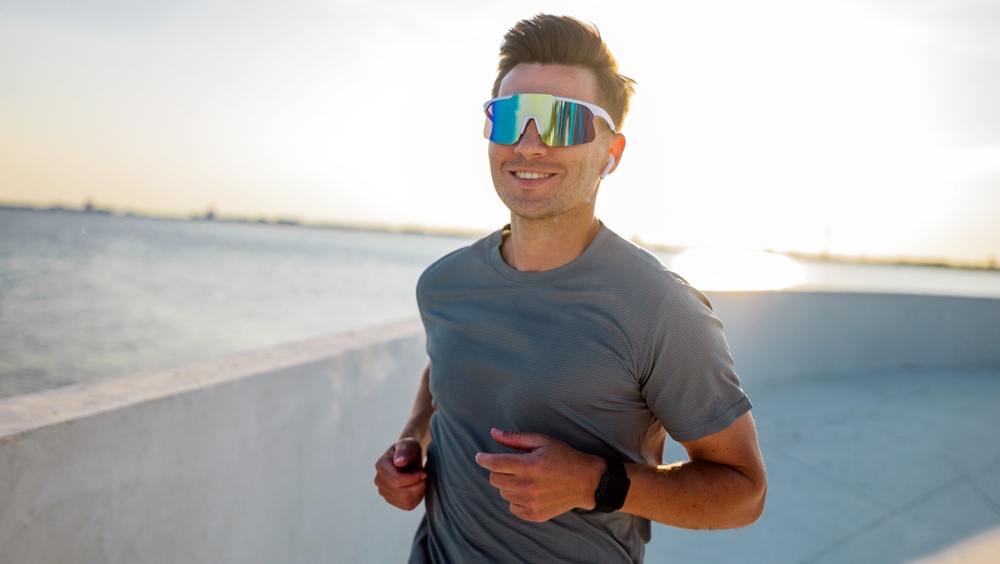
Once you’re past the first week and your eye doctor gives you the go-ahead, you can begin reintroducing more structured exercise. Low-impact cardio, such as brisk walking, stationary biking, or light jogging, is usually appropriate around the 10- to 14-day mark for most patients.
One thing to keep in mind as you return to cardio: you want to avoid working out so intensely that sweat runs into your eyes. Even at this stage, the healing tissue can be sensitive, and sweat can carry bacteria you don’t want near your eye. Bring a clean towel, and if anything gets in your eye, rinse gently with the artificial tears your eye doctor prescribed.
Weightlifting and resistance training are typically acceptable around the two-week mark, but with some modification. Avoid heavy lifts that require significant straining or dramatically increase intraocular pressure, such as very heavy deadlifts, squats near maximum effort, or inverted exercises. These can put unnecessary stress on your healing eyes. Start lighter than usual and build back gradually.
Protective eyewear is worth wearing when you return to the gym, even for low-risk workouts. A light pair of wraparound sports glasses adds a layer of protection during this transitional period.
Water Sports and Contact Sports: A Longer Wait
Pools, hot tubs, lakes, oceans, and rivers should all be avoided for at least two weeks after PRK, and some surgeons recommend waiting longer. Water environments harbor bacteria and other pathogens that can cause serious eye infections while the corneal surface is still recovering. Even splashing water on your face requires care during the early healing period.
Contact sports, including basketball, soccer, martial arts, racquet sports, and any activity where you could take a hit to the face or eye, require an even longer break. Most PRK surgeons recommend waiting at least four weeks before returning to these activities, and protective eyewear should be worn once you’re cleared to play.
Your eye doctor at Clear Advantage will give you a specific recommendation based on your healing progress at your follow-up visits.
Tips for Staying Active During PRK Recovery

The good news is that a few weeks of modified activity go by quickly when you have a plan. Light walking is a useful option during recovery, even in the first week, because it gets you moving without straining your eyes.
Gentle stretching and easy yoga (avoiding any inverted positions that can cause blood to rush to the head) are reasonable options once the first few days have passed. This is also a good time to lean into recovery habits that support healing overall.
Staying hydrated, eating enough protein, and getting solid sleep all contribute to a smooth healing process. Spend the first couple of days catching up on podcasts, audiobooks, or music rather than screen-based entertainment, which helps your eyes rest while still keeping your mind engaged.
When you head outdoors, wear your UV-blocking sunglasses every time. Sun exposure during PRK recovery can interfere with healing and worsen light sensitivity symptoms. High-quality sunglasses with UV 400 protection are an important part of your recovery toolkit.
Get a Running Start Towards Clear Vision
The restrictions around exercise after PRK are temporary, and the outcome, clear, lasting vision without dependence on glasses or contacts, makes the recovery period well worth it. By following your eye surgeon’s guidance and easing back into activity at the right pace, you give your eyes the best possible chance to heal fully and deliver the results you’re expecting.
Find out if you’re a candidate for PRK when you schedule a consultation at Clear Advantage Vision Correction Center in Portsmouth, NH, today!