



Posted by: Clear Advantage in LASIK on February 9, 2026
If you’re considering life without glasses or contacts, you’ve probably spent time researching LASIK, PRK, or other vision correction options online. You might feel both excited and a little nervous about taking the next step—that’s completely natural.
Your vision correction consultation is where possibilities become personalized plans, and understanding what happens during this appointment can help you feel more confident and prepared. This isn’t just a quick eye exam or a sales pitch. A proper vision correction consultation is a comprehensive medical evaluation designed to determine whether vision correction is right for you, and if so, which procedure will give you the best results.
At Clear Advantage Vision Correction Center, the consultation process typically takes one to two hours because your eyes deserve that level of attention. Keep reading to learn exactly what happens during your vision correction consultation, why each step matters, and how to make the most of this important appointment.
Why a Vision Correction Consultation is Essential
While vision correction procedures can be life-changing, allowing you to experience the world with clarity, freedom, and confidence, not everyone is a good candidate. Candidacy matters because, although LASIK, PRK, and EVO ICL have excellent safety records, complications are far more likely in patients who don’t meet the procedure’s requirements.
Clear Vision Correction Center conducts thorough vision correction consultations to ensure you are a good candidate for surgery, as patient safety is their number one priority. Here’s what you can expect:
Measuring Your Vision
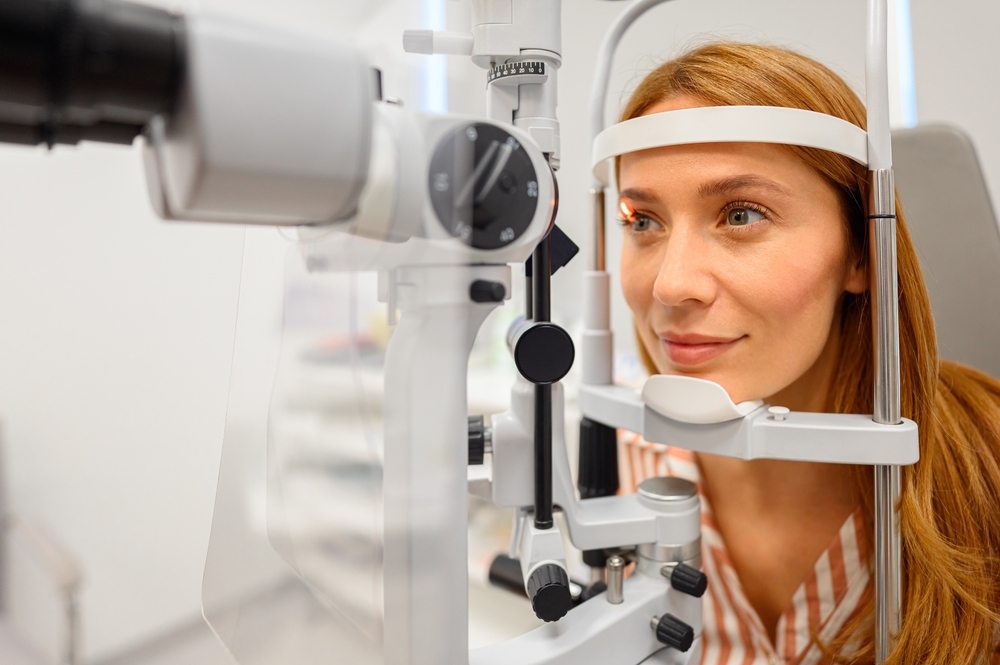
Your consultation begins with vision testing that goes well beyond the standard “which is better, one or two” approach. Your eye care team will use both digital analyzers and manual refraction techniques to confirm your exact prescription, assess the quality of your vision, and analyze how light focuses as it enters your eye. These multiple measurement methods help your surgeon understand exactly what needs to be corrected and the best approach for doing so.
Mapping Your Cornea
Your cornea (the clear front surface of your eye) is where laser vision correction takes place, so understanding its unique characteristics is essential. High-resolution scanning technology creates detailed maps of your cornea at the micron level, revealing its curvature, thickness, and overall health.
These measurements are fundamental to determining which procedures you’re a candidate for and customizing your treatment to your eye’s unique topography. For some patients, this corneal analysis reveals that LASIK isn’t the best option. Perhaps your cornea is thinner than average or has an unusual shape.
That’s when alternatives such as PRK or EVO ICL become relevant. The goal isn’t to fit you into a specific procedure but to find the procedure that fits your eyes.
Examining Your Overall Eye Health
You’ll receive dilating drops that temporarily enlarge your pupils, allowing your eye surgeon to thoroughly examine the internal structures of your eyes. This includes looking at the lens behind your pupil and examining your retina (the light-sensitive tissue at the back of your eye that sends visual information to your brain).
Your eye surgeon will check for conditions like cataracts, glaucoma, or macular degeneration that could affect your candidacy for vision correction procedures.
Evaluating Your Tear Film
Healthy tears might not seem directly related to vision correction, but they’re essential for proper healing after eye surgery. Modern technology can evaluate both the composition and volume of your tears to ensure your eyes can heal well after your procedure.
If you have mild dry eye symptoms, addressing them before surgery can support better outcomes. Patients with chronic dry eye may benefit from EVO ICL or PRK rather than LASIK, as these procedures disrupt fewer corneal nerves.
Reviewing Your Medical History
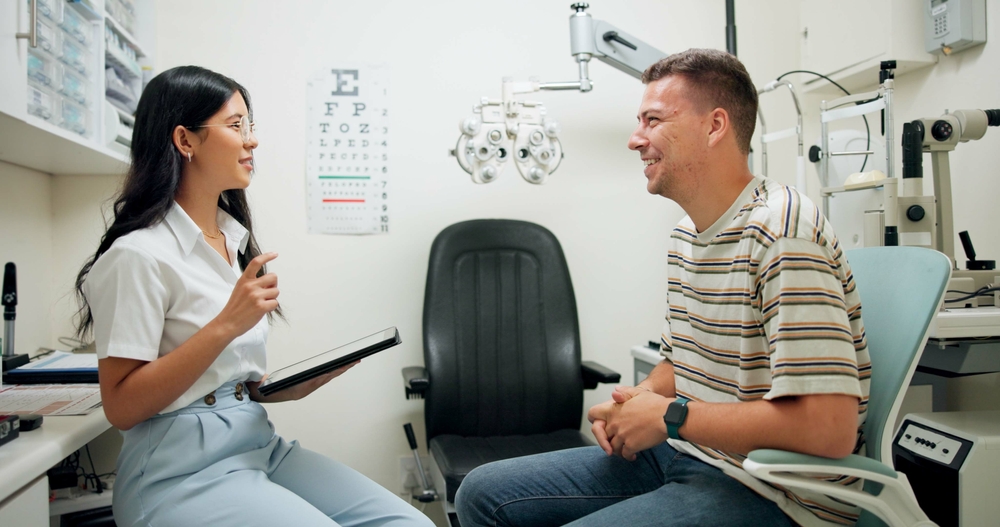
While the technical measurements provide essential data, the conversation with your eye surgeon is equally important. This is your opportunity to discuss your complete medical history in detail.
Conditions such as diabetes or autoimmune disorders can affect your eligibility or healing process. Being thorough about your health history ensures your safety.
Discussing Your Vision Goals and Expectations
You’ll also have a direct conversation about realistic expectations. Your eye surgeon should discuss the specific level of vision correction you can expect based on your unique eye characteristics, potential risks relevant to your history and examination results, and what you should experience during recovery.
Every surgical procedure carries some level of risk, and vision correction is no exception. The Refractive Surgery Council emphasizes that a good refractive surgeon should explain potential complications, how likely they are in your specific case, and how they would be managed if they occurred. This balanced, honest conversation helps you make a truly informed decision about your vision care.
Which Vision Correction Procedure is Right for Me?
One of the most valuable aspects of your vision correction consultation is learning which procedures match your unique needs. Clear Advantage Vision Correction Center offers three main options, and your screening results will guide the recommendation.
LASIK is the most common vision correction procedure and works well for many people with nearsightedness, farsightedness, and astigmatism. During LASIK, your eye surgeon creates a thin corneal flap, reshapes the underlying tissue with a laser, and repositions the flap. Most patients notice improved vision within 24 hours and experience minimal discomfort.
PRK uses the same laser technology as LASIK, but doesn’t require creating a corneal flap. Instead, your eye surgeon gently removes the surface layer of the cornea before applying the laser treatment. This makes PRK an excellent option for patients with thinner corneas or dry eye. The recovery period is slightly longer than LASIK, but the visual results are comparable.

EVO ICL (Implantable Collamer Lens) offers a completely different approach. Rather than reshaping your cornea, this procedure involves implanting a specialized lens behind your iris and in front of your natural lens. EVO ICL is particularly valuable for patients with extreme nearsightedness or those who aren’t good candidates for laser procedures due to thin corneas or dry eye. The lens is permanent but removable if needed, and most patients report exceptionally crisp, clear vision.
Your eye surgeon will explain which of these procedures aligns best with your screening results, lifestyle needs, and visual goals. Many patients are candidates for more than one option, and understanding the differences helps you make an informed choice.
Are you ready to take the next step toward clearer vision? Schedule your consultation at Clear Advantage Vision Correction Center in Portsmouth, NH, today!